Diana ODG

Montessori and the Science of Reading
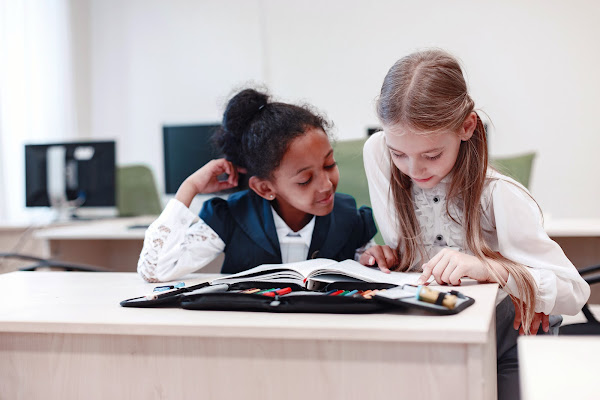
The new Science of Reading movement that is occurring in schools in Canada and the United States is an evidence-based approach to reading instruction based on decades of research from education, neuroscience, cognitive science, linguistics, psychology, and sociology. Science of Reading emphasizes the importance of systematically teaching foundational skills like phonemic awareness (individual letter sounds), Montessori and the Science of Reading

Exploring Montessori’s Pink Tower: The Journey from Concrete to Abstract

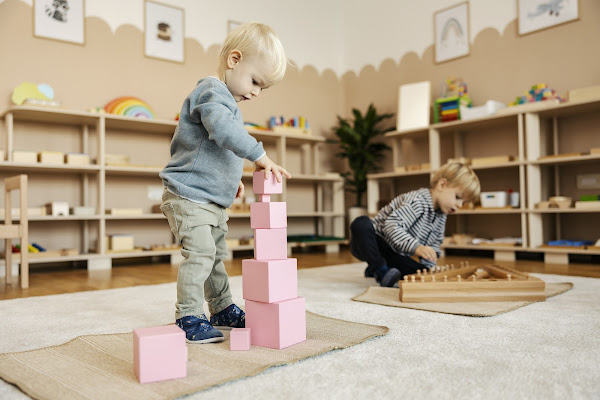
Ask just about anyone what material comes to mind when they think of Montessori education, and most will say the Pink Tower. Predominately found in the early childhood environment, the Pink Tower is a beloved work for both child and teacher. As is often the case in Montessori, this seemingly simple tower of ten pink Exploring Montessori’s Pink Tower: The Journey from Concrete to Abstract

Follow-Up Work: Following the Child in the Montessori Elementary Environment

As Montessori teachers learn during their NAMC training, the concept of freedom of choice is a key part of fostering a child’s natural curiosity and desire to learn. However, there’s often a misconception that assigning adult-driven follow-up work is equivalent to giving students the freedom to choose their learning paths. True freedom of choice allows Follow-Up Work: Following the Child in the Montessori Elementary Environment

When Adults Need Grace and Courtesy: Fostering a Respectful Montessori Environment

As Montessori educators, we dedicate ourselves to preparing nurturing environments where children can flourish, develop independence, and cultivate a deep respect for themselves and others. Central to this philosophy is the concept of grace and courtesy. Grace and courtesy lessons are practiced in every level of the Montessori environment, but special attention is given to When Adults Need Grace and Courtesy: Fostering a Respectful Montessori Environment

Creating a Fall Nature Table in the Montessori Environment

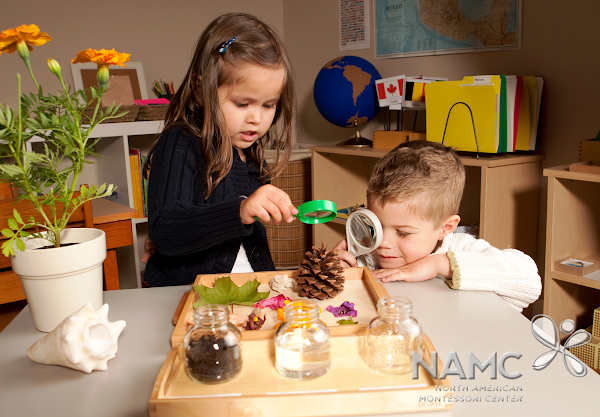
While Montessori’s Cosmic Education is formally presented in the second plane of development in the Montessori lower elementary environment, we can indirectly prepare younger children to admire and respect the world around them by creating hands-on learning opportunities. One way to strengthen this connection is by introducing a nature table into your Montessori environment. A Creating a Fall Nature Table in the Montessori Environment

Montessori Snack Time: Fostering Independence and Following the Child

Snack time in the Montessori environment is more than just a break for nourishment — it’s an opportunity for children to develop practical life skills, become independent, practice grace and courtesy, and listen to their bodies. Whether you are in the Montessori Early Childhood, Lower Elementary, or Upper Elementary environment, creating a snack area is Montessori Snack Time: Fostering Independence and Following the Child

Fostering a Respectful Montessori Community Using Classroom Agreements

  As Montessori educators, we understand the importance of creating a harmonious classroom environment that promotes independence, respect, and collaboration. One powerful way to help achieve this goal is by working with students to create classroom agreements. This approach not only aligns with Montessori principles but also nurtures democratic values and fosters a sense of Fostering a Respectful Montessori Community Using Classroom Agreements

The Montessori Three-Period Lesson: What It Is and What It Is Not

Among the many tools in the Montessori pedagogical toolkit, the Montessori three-period lesson stands out as a simple yet powerful method for introducing vocabulary. Whether you are teaching in the Montessori Early Childhood or Lower Elementary classroom, understanding what this foundational language lesson is—and what it is not—can greatly enhance the lesson’s effectiveness in the The Montessori Three-Period Lesson: What It Is and What It Is Not